Fertility Foundations - Jan 2026
By Deborah Taylor - Fertility Nutritionist
January often brings a sense of renewal, a fresh start, a chance to set intentions for the year ahead. For some, that intention may be to start a family. You might be thinking about trying for the first time, or perhaps you’ve been trying for a while without success. Wherever you are on your journey, there are some powerful foundational steps you can take to support your fertility and overall wellbeing.
For many people, conceiving appears straightforward: they decide it’s time, stop using their chosen method of contraception, and within a few months they’re announcing a pregnancy and nine months later, welcoming their baby. But for a growing number of individuals and couples, it isn’t happening as easily as expected. And this number is rising for a variety of reasons.
A big part of the picture comes down to our modern lifestyles, the pace we live at, the foods we eat, and the environments we’re exposed to. These factors can have a significant impact on both male and female fertility.
Below are some of the key areas that influence reproductive health:
Top Factors That Impact Fertility Today
1. Stress
Mental and emotional stress, from work, family, finances, relationships, or simply being constantly busy, can disrupt the delicate hormonal balance needed for conception.
Stress can also come from physical sources such as excessive exercise, extreme dieting, or lack of rest. Both men and women are affected, and stress can influence everything from ovulation to sperm quality.
2. Lack of Supportive Nutrients
Nutrient status plays a crucial role in egg and sperm development, hormone production, and early embryo growth.
Modern diets, busy routines, and digestive issues can all contribute to nutrient gaps that make it harder for the body to function optimally when trying to conceive.
3. Hormone Imbalance
Hormonal health is central to fertility.
For women, imbalances can affect ovulation, cycle regularity, and the ability to maintain a pregnancy.
For men, hormones influence sperm production, libido, and overall reproductive function.
Modern stressors, poor sleep, environmental toxins, and dietary patterns can all contribute to imbalance.
4. Environmental Toxins
We are exposed to more chemicals today than at any other point in history, through plastics, household products, cosmetics, pollution, and even our food.
Many of these substances act as endocrine disruptors, interfering with hormone signalling and impacting egg and sperm quality.
5. Metabolic Health
Being underweight, overweight, or having unstable blood sugar levels can all affect fertility.
Metabolic issues influence hormone balance, inflammation, and ovulation, and can reduce sperm quality.
Supporting stable blood sugar and maintaining a healthy weight for your body can make a significant difference.
How to Start Supporting Your Fertility Through Nutrition & Lifestyle
The good news is that while many of the factors affecting fertility are linked to modern life, they are also areas we can influence. Small, consistent changes can create meaningful shifts in hormone balance, egg and sperm quality, and overall reproductive health. You don’t need to overhaul everything at once, think of this as building a strong foundation that supports your body month after month.
1. Nourish Your Body with Fertility‑Supporting Foods
Focus on whole, colourful, nutrient‑dense foods that provide the building blocks for hormones, healthy cycles, and optimal egg and sperm development.
This includes:
- Plenty of vegetables and fruit for antioxidants
- Healthy fats (olive oil, nuts, seeds, oily fish) for hormone production
- Quality protein to support blood sugar balance
- Fibre‑rich foods to support detoxification and hormone clearance
Even small improvements in daily eating patterns can have a big impact over time.
2. Support Your Nervous System
Chronic stress is one of the biggest disruptors of fertility, but it’s also one of the most modifiable.
Simple practices can make a real difference:
- Avoid over training on very intensive workouts, swap some sessions for more gentle movement (walking, yoga, Pilates). Weight training is also great to include in your exercise regime.
- Mindfulness or breathing exercises
- Creating pockets of rest in your week
- Reducing over‑commitment where possible
Your body thrives when it feels safe, nourished, and supported.
3. Balance Your Blood Sugar
Stable blood sugar is essential for hormone balance, ovulation, and metabolic health.
You can support this by:
- Eating balanced meals with protein, fat, and fibre
- Reducing ultra‑processed foods and sugary snacks
- Avoiding long gaps between meals if they leave you shaky or fatigued
Balanced blood sugar helps reduce inflammation and supports a more predictable menstrual cycle.
4. Reduce Exposure to Environmental Toxins
You don’t need to live a toxin‑free life — that’s impossible — but small swaps can reduce the burden on your reproductive system.
Consider:
- Using glass or stainless steel instead of plastic
- Choosing fragrance‑free or low‑tox personal care products
- Ventilating your home regularly
- Washing fruit and veg to reduce pesticide exposure eat organic produce where possible.
These gentle steps help support hormone balance and egg/sperm health.
5. Create a Lifestyle That Supports Hormonal Harmony
Hormones respond to rhythm, nourishment, and consistency.
Support them by:
- Prioritising 7–9 hours of sleep
- Moving your body daily
- Eating regular meals
- Allowing time for rest and recovery
- Avoiding extremes (over‑exercise, under‑eating, restrictive diets)
Your hormones thrive when your lifestyle is steady and supportive.
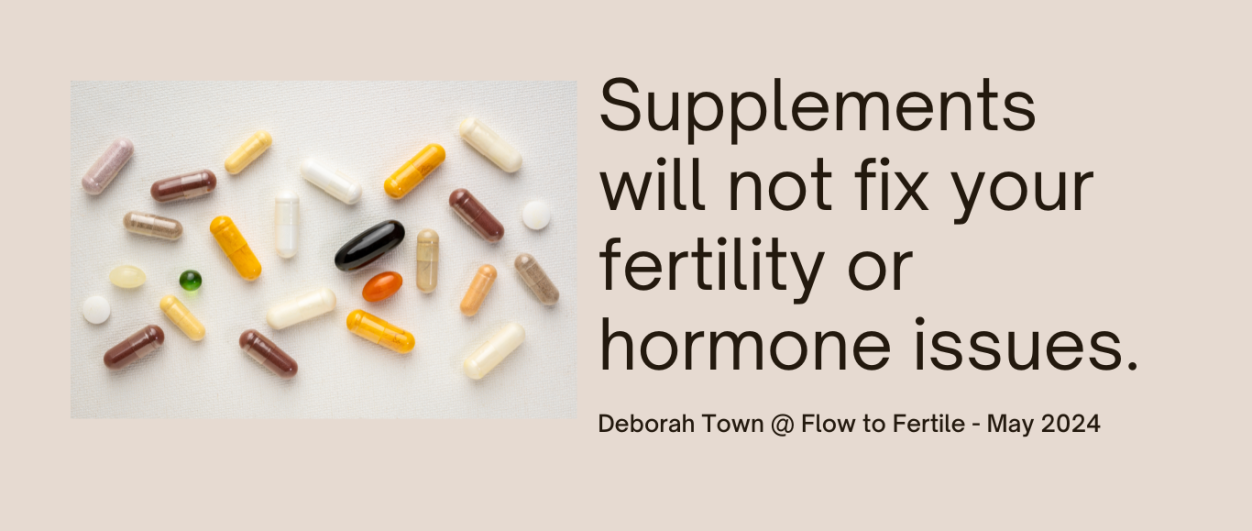
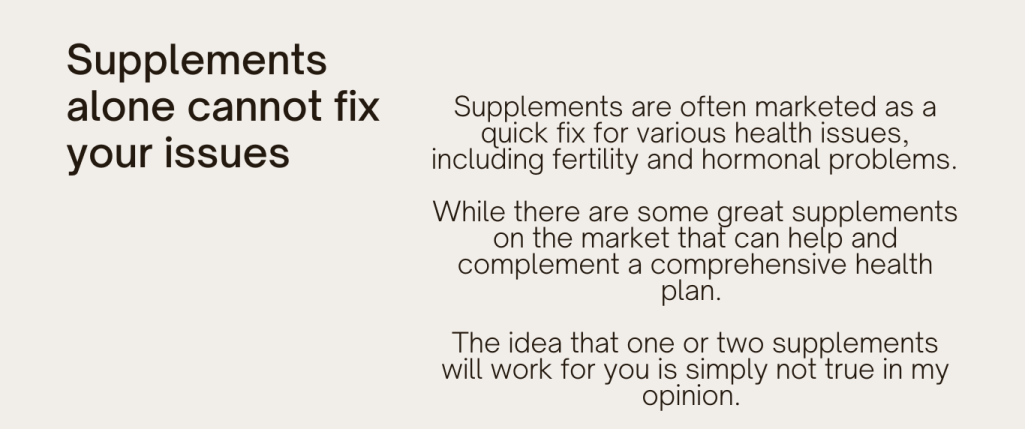
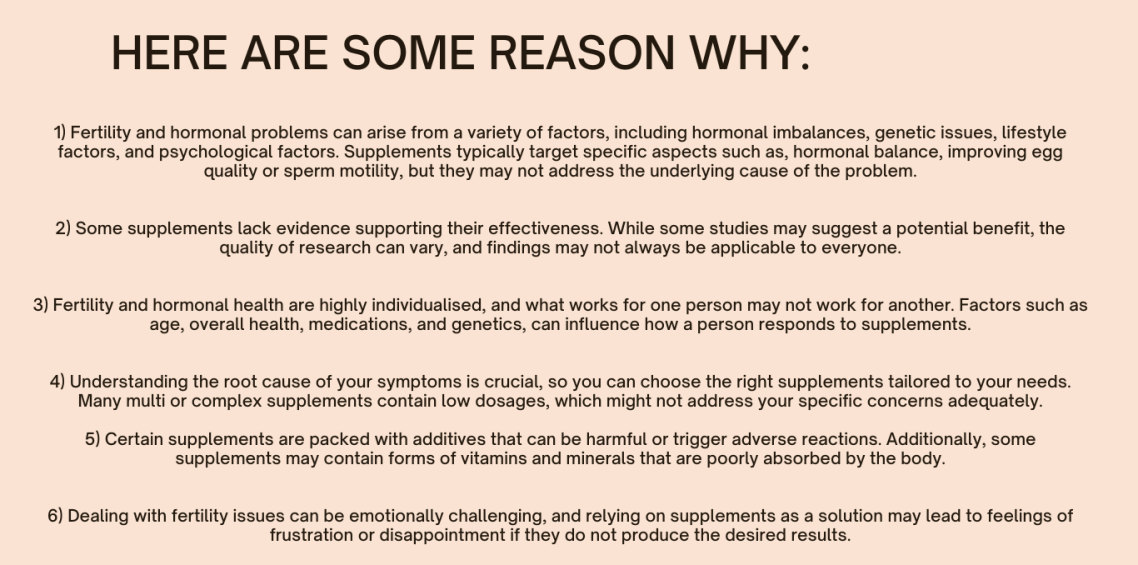
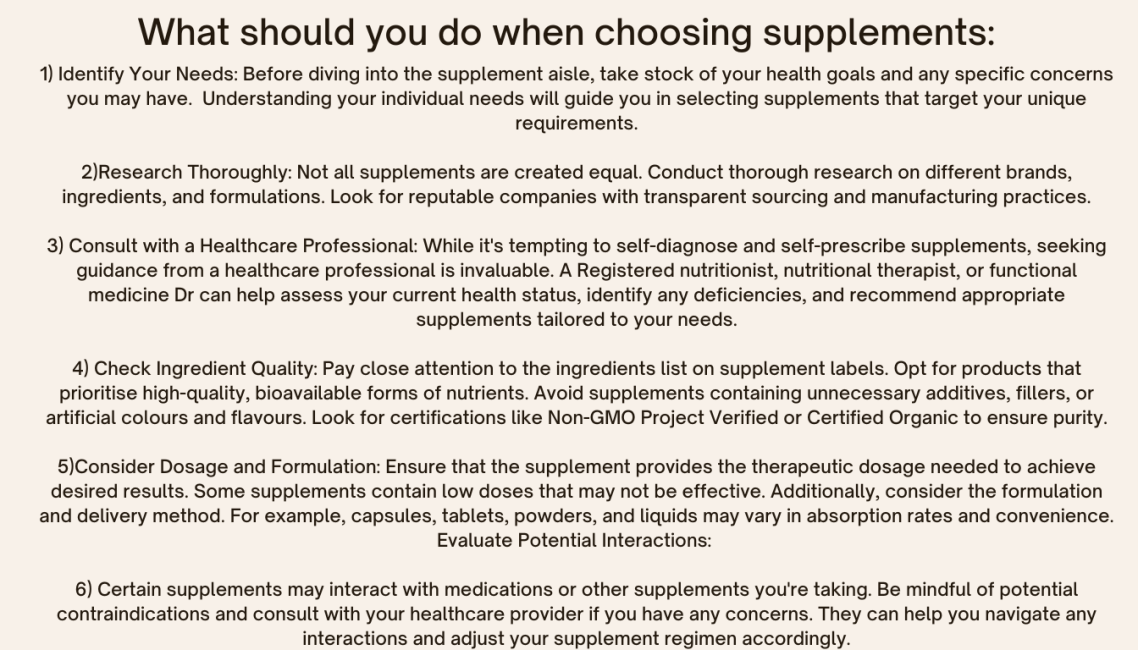
What about supplements?
In addition to the foundations above, supplements, something I’m asked about regularly, can be a helpful tool in supporting fertility and reproductive health. It’s important to remember that supplements are not a one‑size‑fits‑all solution, and what works for one person may not be right for another. That said, a good quality pre‑natal multivitamin is usually a beneficial starting point, along with omega‑3 support. If you are taking any medications, please check with your GP or another health professional to ensure these supplements are safe for you.
If you’d like to learn more about supplements and which ones may be helpful for your fertility journey, feel free to email me for my free fertility supplement guide. deborah@flowtofertilie.com
Final Thought!
By implementing these foundations, you may be improving your chances of conception. However, fertility is not just about conceiving; it’s about creating the healthiest possible environment for a future pregnancy. In some cases, you may need to go deeper than the basics to get your reproductive health back on track and personalise changes to suit your individual needs.
Reference list
Stress & Fertility
- Rooney, K. L., & Domar, A. D. (2018). The relationship between stress and infertility. Dialogues in Clinical Neuroscience, 20(1), 41–47.
- Thoma, M. E., et al. (2013). Prevalence of infertility in the United States as estimated by the current duration approach and a traditional constructed approach. Fertility and Sterility, 99(5), 1324–1331.
Nutrition, Micronutrients & Reproductive Health
- Gaskins, A. J., & Chavarro, J. E. (2018). Diet and fertility: a review. American Journal of Obstetrics and Gynecology, 218(4), 379–389.
- Cedars, M. I. (2019). Nutrition and fertility: an evidence-based review. Fertility and Sterility, 112(3), 453–457.
- Showell, M. G., et al. (2018). Antioxidants for male subfertility. Cochrane Database of Systematic Reviews.
Hormone Balance & Reproductive Function
- Azziz, R., et al. (2016). Polycystic ovary syndrome. Nature Reviews Disease Primers, 2, 16057.
- Handelsman, D. J. (2017). Testosterone and male reproductive health. Endocrine Reviews, 38(3), 220–253.
Environmental Toxins & Endocrine Disruptors
- Gore, A. C., et al. (2015). EDC-2: The Endocrine Society's second scientific statement on endocrine-disrupting chemicals. Endocrine Reviews, 36(6), E1–E150.
- Messerlian, C., et al. (2017). Environmental chemicals and reproductive health. Current Epidemiology Reports, 4, 1–15.
Metabolic Health, Weight & Fertility
- Rich-Edwards, J. W., et al. (2018). Fertility and obesity: a review of the literature. Reproductive Biology and Endocrinology, 16(1), 1–14.
- Legro, R. S., et al. (2013). Ovulation and metabolic health in women with PCOS. New England Journal of Medicine, 369(2), 119–129.
Blood Sugar Regulation & Hormonal Health
- Chavarro, J. E., et al. (2007). A prospective study of dietary carbohydrate intake and ovulatory infertility. American Journal of Clinical Nutrition, 85(6), 1767–1774.
- Diamanti‑Kandarakis, E., & Dunaif, A. (2012). Insulin resistance and the polycystic ovary syndrome revisited. Endocrine Reviews, 33(6), 981–1030.
Lifestyle Factors (Sleep, Exercise, Stress Reduction)
- Kalmbach, D. A., et al. (2020). Sleep and reproductive health. Sleep Medicine Reviews, 50, 101255.
- Wise, L. A., et al. (2012). Physical activity and fertility. Human Reproduction, 27(7), 2109–2121.
Supplements & Preconception Support
- De-Regil, L. M., et al. (2010). Daily oral iron supplementation during pregnancy. Cochrane Database of Systematic Reviews.
- Haider, B. A., & Bhutta, Z. A. (2017). Multiple micronutrient supplementation for women during pregnancy. Cochrane Database of Systematic Reviews.
- Sarris, J., et al. (2012). Omega‑3 fatty acids in mood and reproductive health. CNS Neuroscience & Therapeutics, 18(2), 116–124.